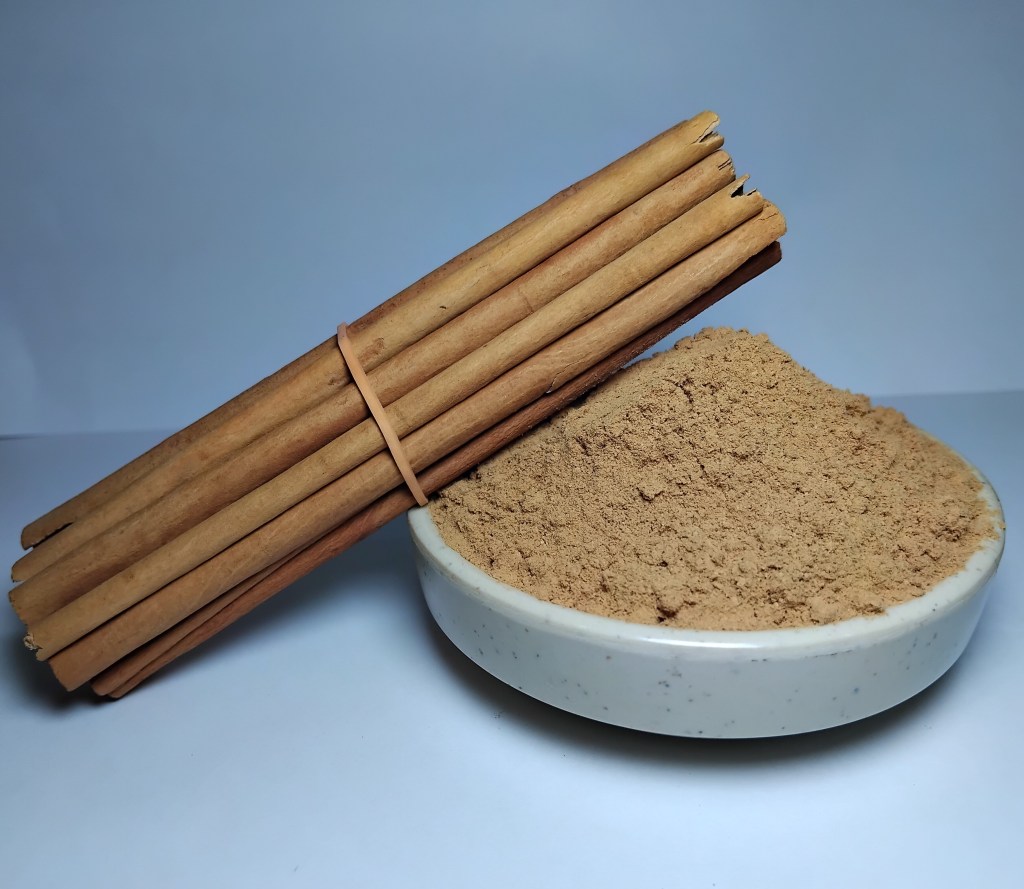
Ceylon Cinnamon
Cinnamon is a popular and versatile spice that comes from the inner bark of trees belonging to the Cinnamomum genus. It’s widely used in cooking, baking, and even in traditional medicine due to its unique flavor and potential health benefits. Here’s an in-depth look at cinnamon:
1. Types of Cinnamon
There are primarily two types of cinnamon that are commonly found:
Ceylon Cinnamon (True Cinnamon):
Originates from Sri Lanka and is considered the “true cinnamon”.
It has a lighter, sweeter flavor and a delicate texture.
The bark is thin, and when broken, it curls into a roll (sometimes referred to as “cinnamon sticks”).
Ceylon cinnamon is considered the best quality and is often recommended for culinary and medicinal uses.
Cassia Cinnamon (Common Cinnamon):
This type is more widely available and is often referred to as just “cinnamon” in most supermarkets.
Cassia is thicker and has a stronger, spicier flavor compared to Ceylon.
It contains higher levels of coumarin, a compound that can be toxic in large amounts, so it’s advised to consume it in moderation.
2. Health Benefits:
Cinnamon has been prized for its medicinal properties for centuries. Some of its health benefits include:
Rich in Antioxidants: Cinnamon contains high amounts of polyphenols, which act as antioxidants and protect your body from oxidative stress and inflammation.
– Anti-Inflammatory: It has potent anti-inflammatory effects that can help reduce inflammation in the body, which may contribute to conditions like arthritis.
– Blood Sugar Control: Cinnamon is known for helping regulate blood sugar levels by improving insulin sensitivity, making it especially beneficial for people with type 2 diabetes.
– Heart Health: Some studies suggest that cinnamon can help lower bad cholesterol (LDL) and triglycerides, while increasing good cholesterol (HDL), thus contributing to better cardiovascular health.
– Brain Function: Cinnamon has been shown to improve brain function, particularly memory and cognitive abilities, which can help prevent age-related decline.
3. Culinary Uses:
Cinnamon is widely used in both sweet and savory dishes across many cultures:
– Baking: It is a key ingredient in cakes, cookies, pastries, and cinnamon rolls.
– Beverages: Cinnamon is often used in hot beverages like chai, cinnamon tea, and spiced lattes.
Savory Dishes: In Middle Eastern and Indian cuisines, cinnamon is used in stews, curries, and spice blends like garam masala.
– Breakfast: It’s common to sprinkle cinnamon on oatmeal, pancakes, or waffles for added flavor.

Sri Lankan Tea
Sri Lankan tea is world-renowned for its high quality, flavorful varieties, and rich history. Sri Lanka, previously known as Ceylon, is one of the largest tea producers globally, with its tea being highly sought after for its exceptional taste, particularly in the form of Ceylon tea. Here’s everything you need to know about Sri Lankan tea:
1. History of Tea in Sri Lanka
Introduction: Tea was introduced to Sri Lanka in the early 19th century by the British, who sought to cultivate it in place of coffee. Coffee was severely affected by a disease (coffee rust), so tea plantations were established in the central highlands.
Development: James Taylor, a Scottish planter, is credited with establishing the first successful tea plantation in 1867 at Loolecondera estate in Kandy.
Growth: Over time, Sri Lanka became one of the world’s leading tea producers, with tea becoming a major part of the country’s economy and culture.
2. Types of Tea Produced in Sri Lanka
Sri Lanka is known for producing three main types of tea: Black Tea, Green Tea, and White Tea. These teas are grown in different regions across the country, with each region having its unique flavor profile.
Black Tea: The most popular and widely consumed tea from Sri Lanka. Black tea is made by fully oxidizing tea leaves, which gives it a stronger flavor and darker color. It’s often enjoyed with milk and sugar, though it can also be served plain (black tea).
Green Tea: In contrast to black tea, green tea is not oxidized, which gives it a more delicate and grassy flavor. It is less common than black tea in Sri Lanka but has gained popularity in recent years due to its health benefits.
White Tea: White tea is the least processed of all the teas. It is made from the young leaves and buds of the tea plant, giving it a light and subtle flavor. It is considered a premium tea and is produced in limited quantities.
3. Popular City for Ceylon Tea
Kandy: Located in the central part of the island, this region produces medium-bodied tea with a rich flavor, commonly used in blends.
Aids Digestios: Tea is known to soothe the digestive system and improve gut health.
Improves Mental Alertness: The caffeine content in tea can help improve focus, concentration, and mental clarity.
Weight Loss: Green tea, in particular, has been shown to aid in metabolism and fat-burning, helping with weight management.
How to Brew Sri Lankan Tea
Brewing Ceylon tea is an art that brings out its full flavor. Here’s how to brew the perfect cup of Ceylon tea:
Black Tea: Use one tea bag or one teaspoon of loose leaf tea per cup. Boil water to 100°C (212°F) and steep the tea for 3-5 minutes, depending on how strong you like your tea.
Green Tea: Heat water to around 70°C (158°F), then steep the tea for 2-3 minutes. Avoid using boiling water, as it can make the tea bitter.
White Tea: Use water at 80°C (176°F) and steep the tea for 2-3 minutes. White tea is delicate and requires a lower temperature.
4. Tea Culture in Sri Lanka
Tea is an integral part of daily life in Sri Lanka, with a cup of tea being enjoyed during breakfast, after meals, or as an afternoon snack. Traditionally, it’s served with milk and sugar, but many people also enjoy it black or with a slice of lemon.
Tea Time: Tea is often paired with short eats or light snacks like samosas, dal vadas, and kiribath (milk rice).
Tea Tourism: Visitors can explore tea plantations, learn about the tea-making process, and sample various teas. Famous tea estates like The Labookellie Tea Estate* and Pedro Tea Estate offer guided tours for tourists.
5. Export of Sri Lankan Tea
Sri Lanka is one of the world’s largest tea exporters, and Ceylon tea is in demand globally. It is exported to countries like the United States, Russia, the UK, and the Middle East, where it is known for its premium quality. The Ceylon Tea Board ensures that only high-quality tea is exported and is responsible for maintaining the integrity of the Ceylon tea brand.
Conclusion:
Sri Lankan tea, particularly Ceylon tea, is a symbol of the country’s culture and heritage. With its smooth and refreshing flavor profiles, various types, and health benefits, it has earned a place as one of the world’s finest teas. Whether you prefer it black, with milk, or as a refreshing iced tea, a cup of Ceylon tea is a delicious way to experience a piece of Sri Lanka’s rich history.
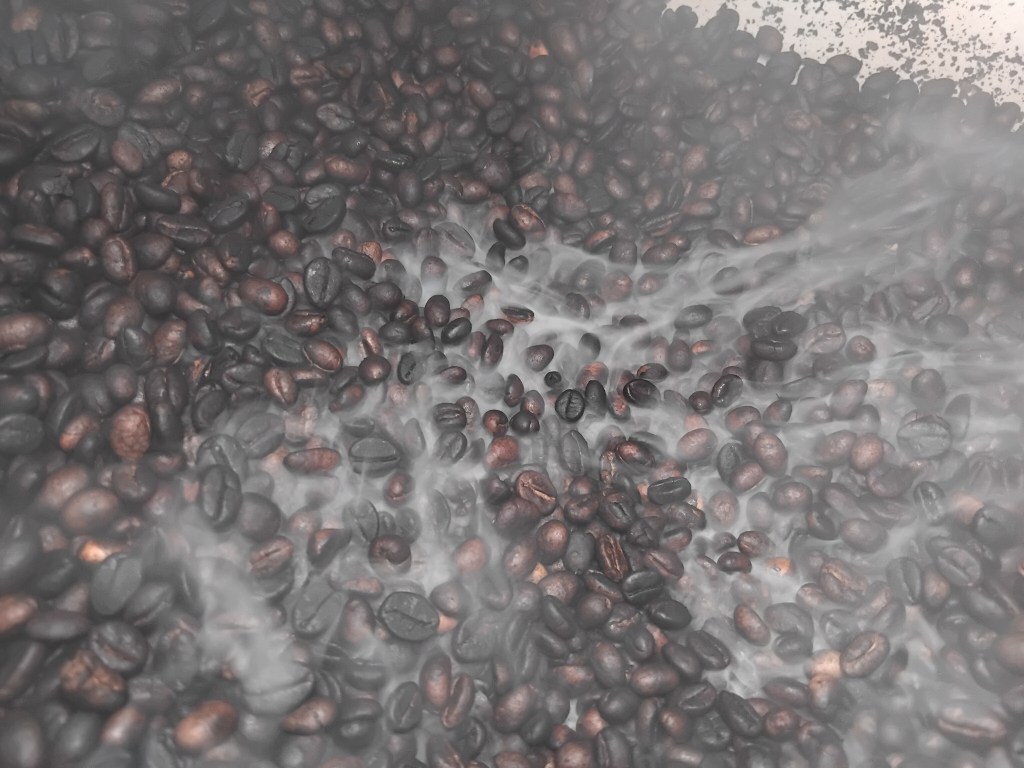
Ceylon Coffee
Ceylon coffee refers to coffee that is grown in Sri Lanka, a country traditionally known for its Ceylon tea. While Sri Lanka is more famous for its tea production, coffee has been cultivated there for centuries and has seen a resurgence in recent years due to the growing global demand for high-quality coffee. Here’s everything you need to know about Ceylon coffee:
1. History of Coffee in Sri Lanka:
Early Introduction: Coffee was introduced to Sri Lanka (then Ceylon) in the early 18th century by the Dutch, who were the colonial rulers at the time. They established coffee plantations in the central highlands of Sri Lanka, particularly in regions like Kandy, Nuwara Eliya, and Kegalle.
Golden Age: Coffee became a significant export crop during the 19th century, with Sri Lanka becoming one of the world’s leading coffee exporters.
Coffee Rust Crisis: In the late 1800s, a fungal disease called coffee rust devastated coffee plantations, causing a collapse in the industry. As a result, many farmers switched to cultivating tea, which remains Sri Lanka’s primary agricultural export today.
Revival: In recent decades, there has been a revival of coffee cultivation in Sri Lanka, with specialty coffee gaining popularity due to the country’s ideal climate for growing high-quality beans.
2. Coffee-Growing Regions in Sri Lanka:
Coffee is primarily grown in the central highlands of Sri Lanka, where the climate is cooler and more conducive to producing high-quality beans. The main coffee-growing regions include:
Kandy: Known for producing some of the best Arabica coffee beans.
Nuwara Eliya: Often referred to as the “Little England” of Sri Lanka, this region is known for its cool temperatures and ideal conditions for growing coffee.
Kegalle: Another region where coffee is grown, known for its rich soils and favorable weather.
3. Types of Coffee Grown in Sri Lanka:
Arabica: Sri Lanka primarily grows Arabica coffee, which is known for its mild flavor, balanced acidity, and complex taste profile. Arabica beans are favored for specialty coffee due to their aromatic qualities and nuanced flavors.
Robusta: Though less common, some regions also grow Robusta coffee, which is known for its stronger, more bitter flavor and higher caffeine content.
4. Ceylon Coffee Characteristics:
Ceylon coffee is a unique and flavorful coffee, offering a smooth, mild, and aromatic experience. While Sri Lanka is better known for its tea, Ceylon coffee is quickly gaining recognition as a high-quality, specialty coffee that reflects the country’s rich agricultural heritage. Whether you’re a coffee connoisseur or a casual drinker, giving Ceylon coffee a try is a great way to explore a new and exciting flavor profile from Sri Lanka.
If you’re interested in learning more or trying out Ceylon coffee, there are plenty of small-batch roasters and estates producing top-notch beans. Let me know if you’d like any recommendations for specific brands or roasters! 
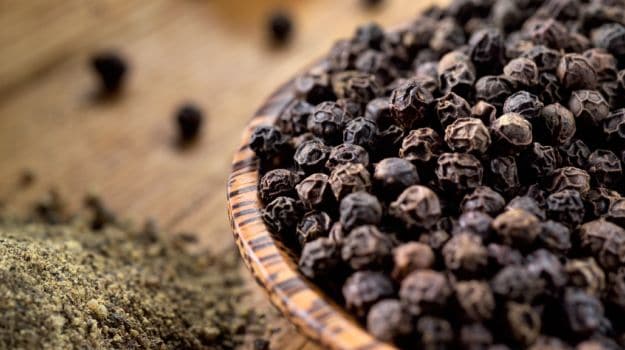
Black Pepper
Ceylon Black Pepper is a premium variety of black pepper grown in Sri Lanka, one of the world’s top producers of high-quality spices. Known for its distinct aroma, flavor, and rich history, Ceylon black pepper is considered one of the best in the world. Here’s everything you need to know about Ceylon Black Pepper:
1. History of Black Pepper in Sri Lanka
Ancient Spice Trade: Black pepper has been cultivated in Sri Lanka for over 2,000 years and was one of the most sought-after spices in the ancient spice trade. It was exported to many parts of the world, including Europe and the Middle East, and helped establish Sri Lanka as an important player in the global spice market.
Colonial Influence: During the colonial period, the Portuguese, Dutch, and British brought new techniques to improve the cultivation of black pepper in Sri Lanka. The spice became one of the most valuable exports of the island, alongside Ceylon cinnamon and Ceylon tea.
What Makes Ceylon Black Pepper Special?
High Quality: Ceylon black pepper is known for its superior quality compared to other varieties, such as Indian or Vietnamese pepper. Sri Lankan black pepper has a rich, robust flavor with a subtle spiciness that is not overpowering. It has a delicate balance of heat and complex aromatic notes.
Harvesting: The best Ceylon black pepper is handpicked when the peppercorns are fully ripe, ensuring that they have the optimal flavor and aromatic qualities. The pepper is then dried using traditional methods, preserving its fragrance and flavor.
Types of Ceylon Black Pepper
While the majority of black pepper produced in Sri Lanka is black peppercorns, there are also other variations based on the processing method:
Black Pepper: The fully matured peppercorns are dried and retain their outer skin, giving them their characteristic black color. This variety has the strongest flavor.
White Pepper: White pepper comes from the same plant as black pepper, but it is processed differently. The outer skin is removed, leaving only the inner seed, which is milder in flavor compared to black pepper.
Green Pepper: Green pepper is harvested when the peppercorns are still unripe and is often used in pickling or as a fresh garnish. It has a milder and more herbal flavor.
4. Flavor Profile of Ceylon Black Pepper
Ceylon black pepper has a smooth, complex flavor with notes of citrus, pine, and floral undertones. Its heat is balanced and not overly pungent, which makes it ideal for use in a variety of dishes. The aroma is highly aromatic, with a distinctive fragrance that adds depth to food.
5. Health Benefits of Ceylon Black Pepper
Like many spices, Ceylon black pepper has numerous health benefits, some of which include:
Digestive Aid: Black pepper stimulates the digestive enzymes in the stomach, which can help improve digestion and alleviate issues like bloating or indigestion.
Rich in Antioxidants: Black pepper contains piperine, an active compound known for its antioxidant properties that can help fight oxidative stress in the body.
Anti-inflammatory: The anti-inflammatory properties of black pepper make it useful in reducing inflammation, especially in conditions like arthritis.
Weight Loss: Some studies suggest that piperine in black pepper can aid in weight loss by increasing metabolism and fat breakdown.
Improves Nutrient Absorption: Piperine also enhances the absorption of important nutrients, including vitamins like *B12*, *curcumin*, and *selenium*, by increasing their bioavailability in the body.
6. Uses of Ceylon Black Pepper
In Cooking: Ceylon black pepper is a versatile spice that can be used in various forms—whole, ground, or cracked. It’s used to season meat, vegetables, soups, stews, curries, and sauces.
In Sri Lankan Cuisine: Black pepper is a key ingredient in Sri Lankan dishes such as pepper chicken curry, rice and curry, and spicy sambals. It’s often used in combination with other spices like cinnamon, cardamom, and cloves.
In Beverages: Ceylon black pepper can also be used in beverages, especially in traditional spiced teas or rasam (a South Indian soup), where it adds a depth of flavor and warmth.
In Pickles and Preserves: Green peppercorns are often used in Sri Lankan pickles and chutneys to impart a fresh, tangy flavor.
Conclusion:
Ceylon Black Pepper is a premium spice known for its unique flavor, subtle heat, and aromatic qualities. It is a key ingredient in Sri Lankan cuisine and is cherished worldwide for its quality and versatility. Whether you’re cooking Sri Lankan dishes, adding flavor to your daily meals, or seeking natural health benefits, Ceylon black pepper is an excellent choice for those who appreciate fine spices.
 Thale Cinnamon and Spices